Shared Resources
Genetic resources and breeding technologies are shared to accelerate the development of superior crop varieties.

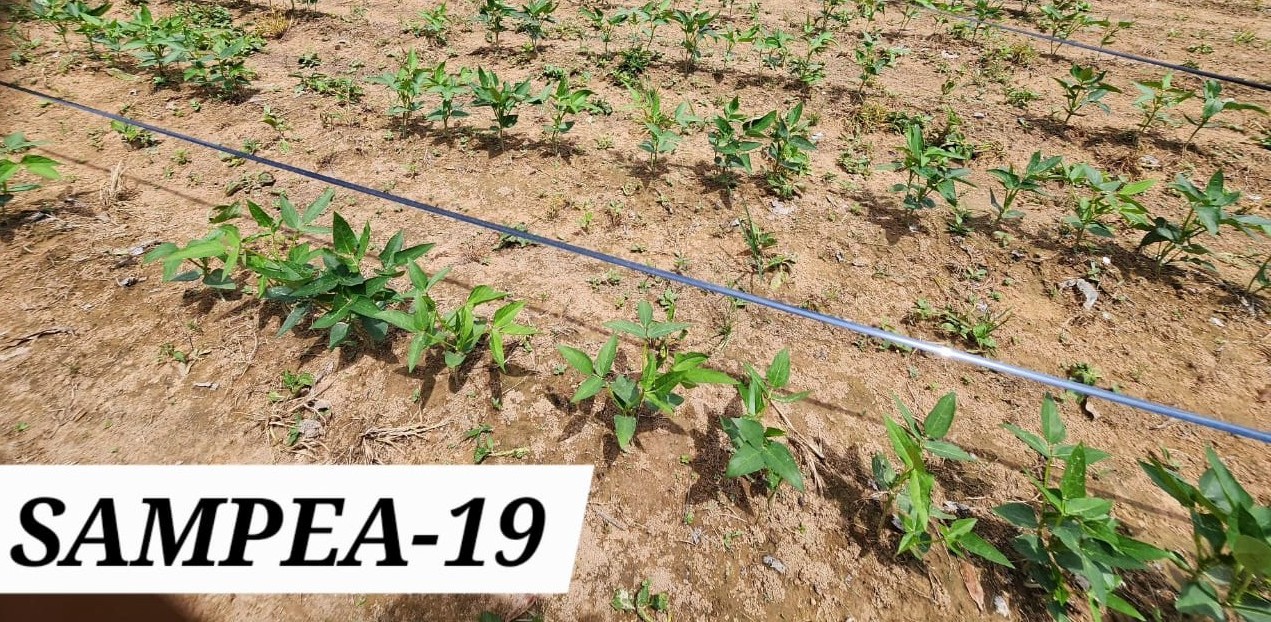
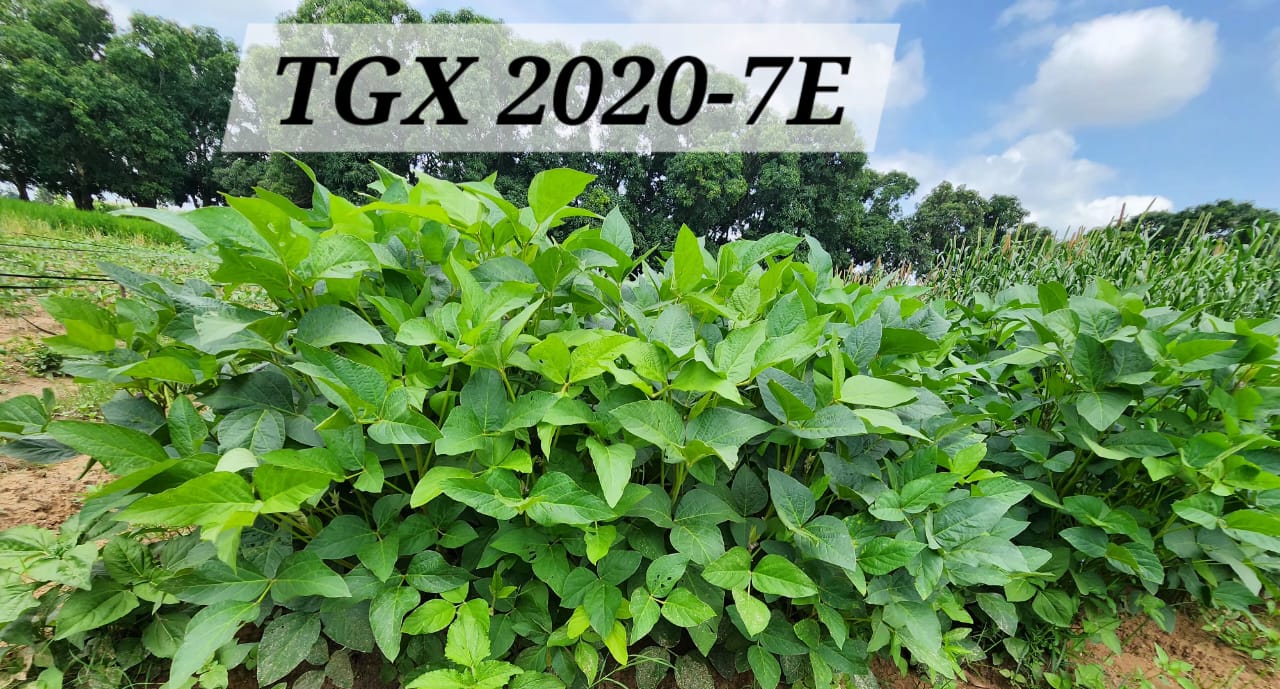
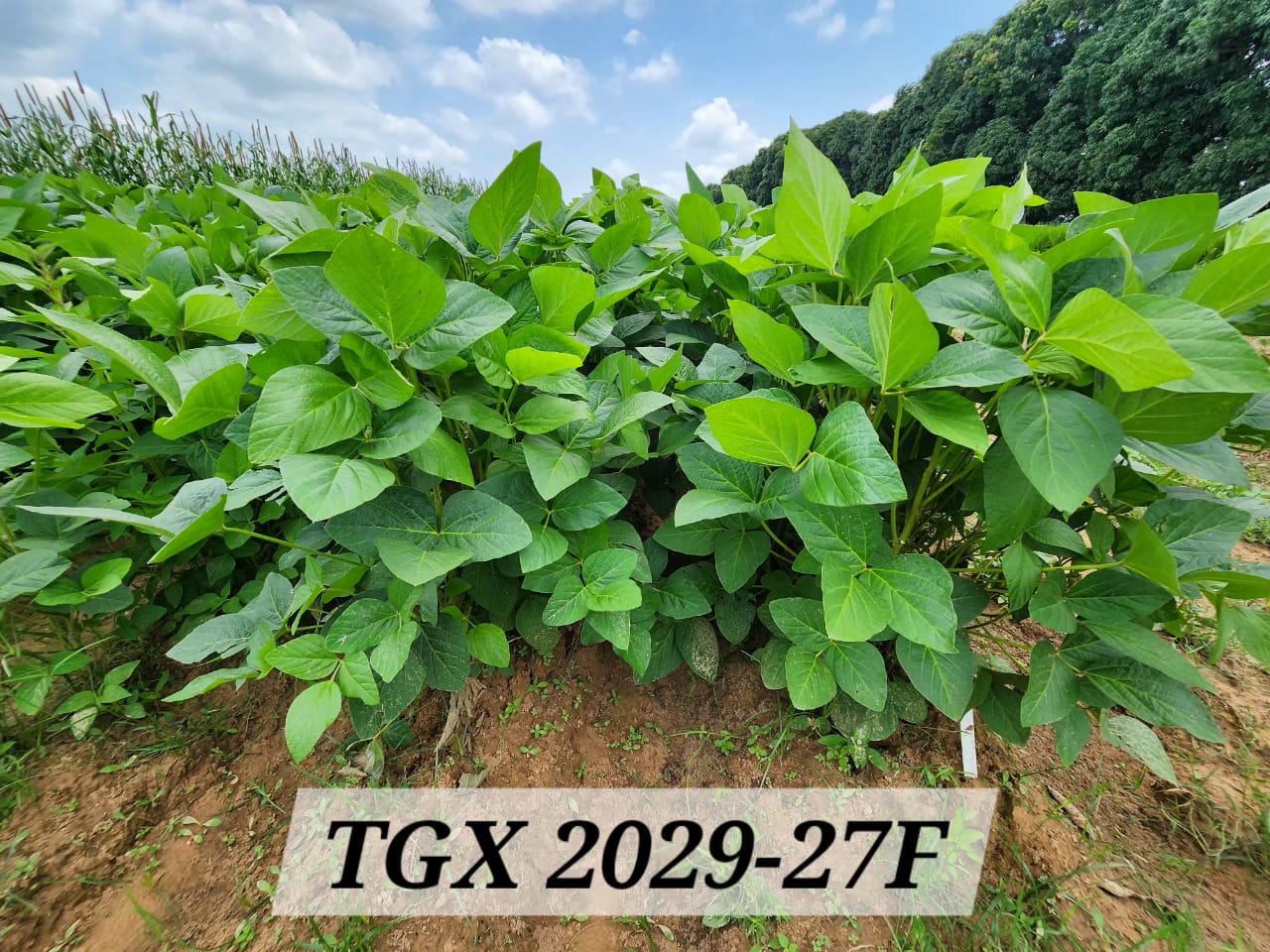
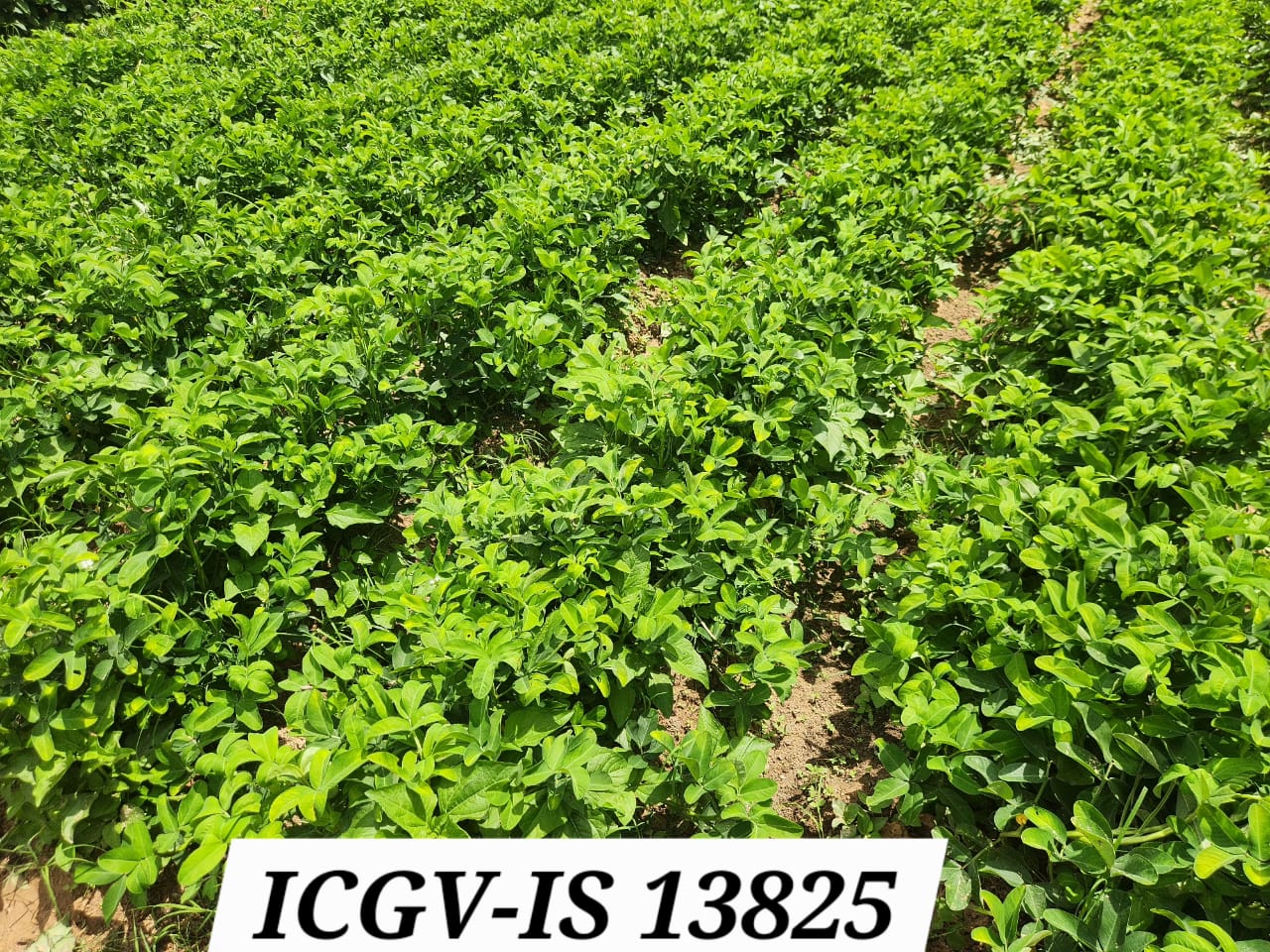
African cereal and legume breeding programmes are essential for developing high-yielding, climate-resilient and market-responsive crop varieties.
These varieties, alongside farmer access to good agricultural practices, agricultural inputs, finance and markets, help strengthen food and nutritional security across a continent facing numerous agricultural challenges.
Initiatives such as the African Cereal and Legume Breeding Consortium (ACLBC) attract private-sector participation and foster partnerships between governments, research institutions and private companies.
With a strong emphasis on collaboration and investment, the consortium seeks to enhance farm-level productivity and contribute to economic growth by leveraging the strengths of both the public and private sectors.
The history of African cereal and legume breeding reflects sustained efforts to address food shortages and malnutrition while managing ageing crop varieties that are often susceptible to biotic and abiotic stresses.
Historically, public institutions led these efforts, but private-sector participation in crop-improvement programmes has steadily increased. ACLBC represents a modern and integrated approach that builds on decades of experience in plant breeding, agronomic research and seed-system development across Africa.
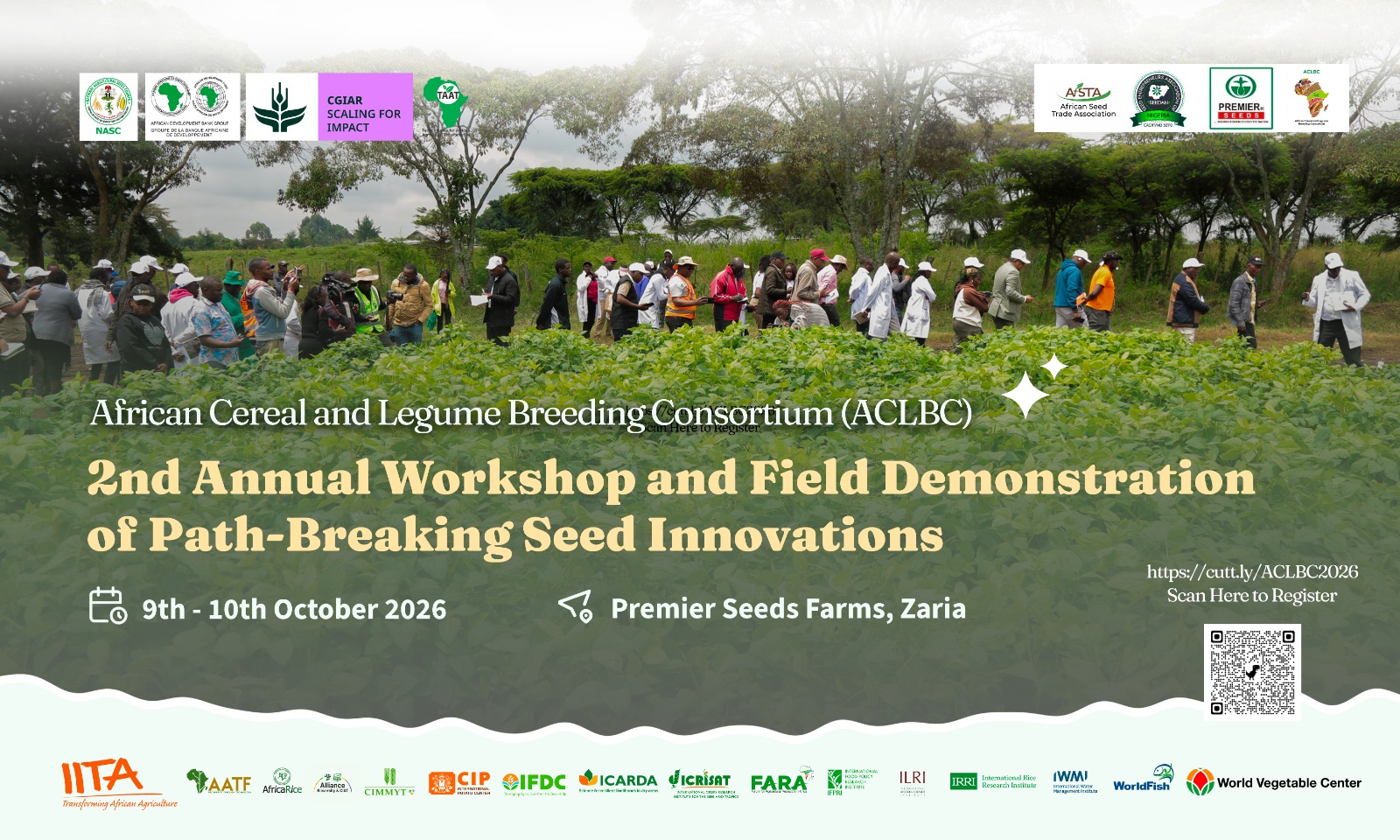
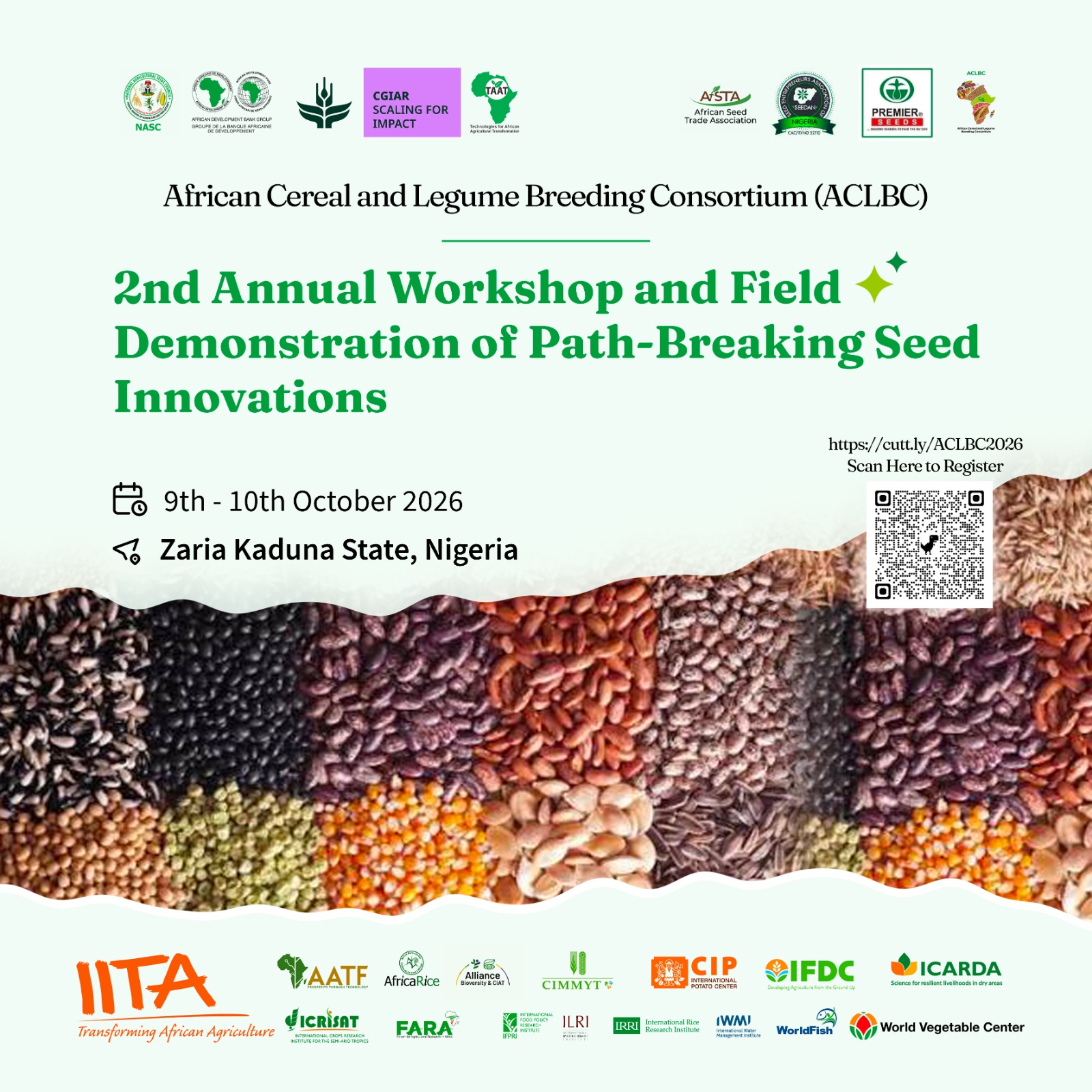
ACLBC was established by the African Seed Trade Association (AfSTA) and the International Institute of Tropical Agriculture (IITA) through the Technologies for African Agricultural Transformation (TAAT) programme.
Genetic resources and breeding technologies are shared to accelerate the development of superior crop varieties.
Participants invest in crop-breeding research, seed multiplication and effective distribution channels.
The consortium supports innovation in plant-breeding technologies, including modern molecular-breeding techniques.
ACLBC creates opportunities for seed, agrochemical, farming equipment and agricultural service businesses.
Private companies wishing to join ACLBC must already be members of AfSTA or a recognised national seed platform and must be actively involved in plant-breeding activities.
Non-profit organisations, including research institutes and universities, may participate when invited by IITA.
Invited non-profit organisations cannot hold full membership status.
Seed availability and distribution depend on international movement regulations, export protocols and quarantine requirements.
Members receiving seeds obtain exclusive rights to use them for two years, subject to intellectual property agreements and testing arrangements with technology providers.
Seeds may only be requested and distributed after the required export and quarantine protocols have been completed.
Private-sector participation brings increased financial investment, management expertise, operational efficiency and faster development of improved crop varieties.
However, commercial involvement can sometimes prioritise profitability over the needs of subsistence farmers or less commercially attractive crops. Through coordination and consultation within TAAT’s partner network, these risks can be mitigated.
IITA, a member of CGIAR, is a non-profit research organisation that develops agricultural innovations to address Africa’s major challenges, including hunger, malnutrition, poverty and natural-resource degradation.
Working with partners across Africa, IITA improves livelihoods, strengthens food and nutrition security, increases employment opportunities and protects natural resources.
AfSTA is a not-for-profit international organisation headquartered in Kenya, representing the interests of private seed companies across Africa.
Its members include seed companies and national seed trade associations that rely on AfSTA to engage with governments, regional organisations and international partners supporting the growth of Africa’s seed sector.
TAAT is a flagship programme of the African Development Bank designed to reverse declining food productivity in Africa.
The programme aims to introduce modern agricultural technologies to more than 40 million farmers across over 30 African countries , with a strong focus on youth and women.
TAAT brings research institutions, seed companies, extension services and financial institutions together to help transform African agriculture.
Join a collaborative network advancing crop innovation, seed-system development and food security across the continent.