
Test Webpage
Change in the AfSTA Secretariat
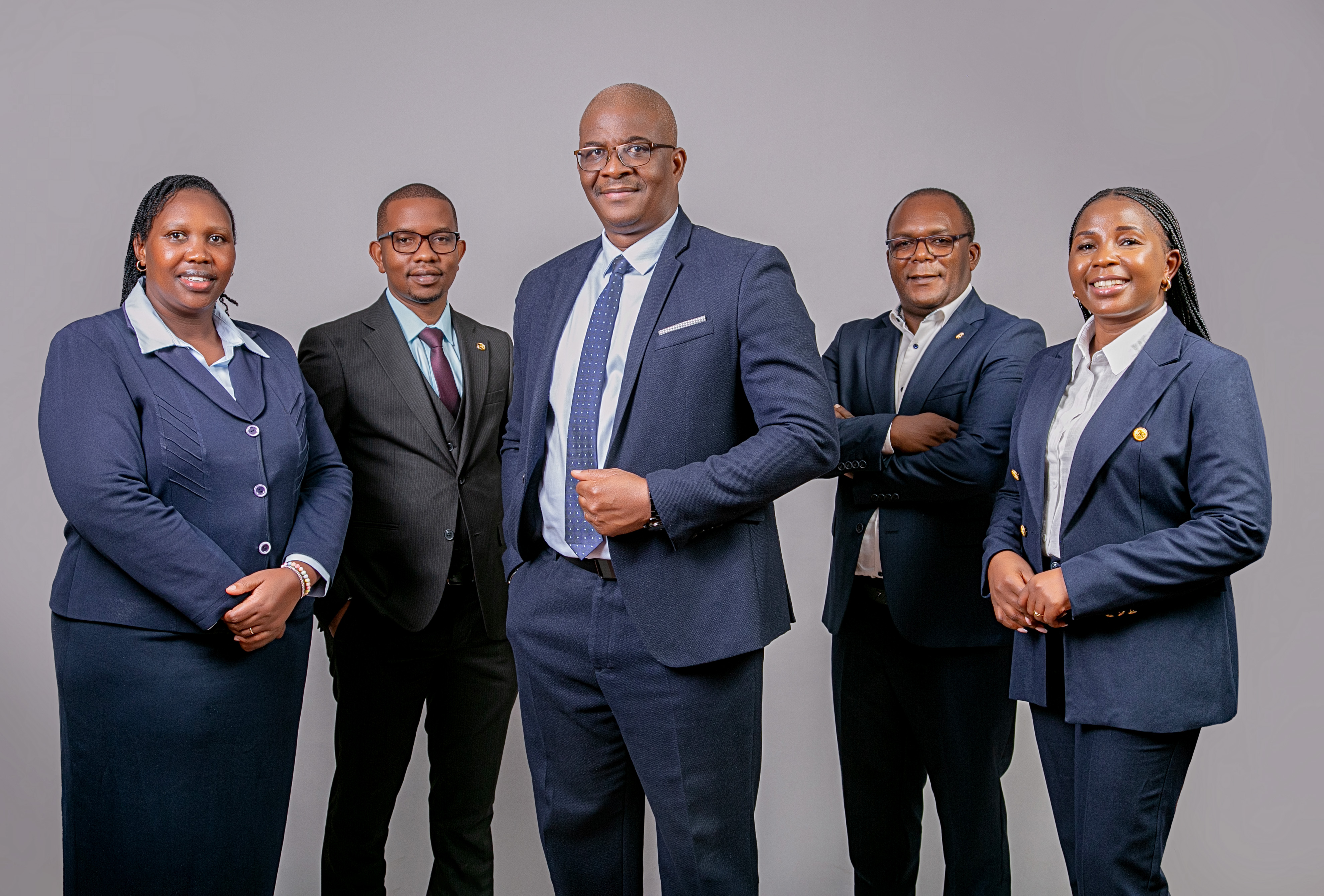 AfSTA Secretariat
The African Seed Trade Association Secretariat is entering a new phase marked by a dynamic team and a renewed sense of purpose.
With a blend of experienced leadership and emerging professionals, the Secretariat reflects a growing commitment to innovation, efficiency, and stakeholder engagement across Africa’s seed sector.
At the helm is Secretary General Dr Yacouba Diallo, supported by a multidisciplinary team handling key areas such as finance (Mercy Bor), communications, technical services, and operations. These are specialists in ICT, advocacy, and technical programme management and implementation, ensuring that the organisation remains responsive to the evolving needs of its members.
The introduction of new staff and expanded roles brings fresh perspectives to AfSTA’s work with the professionals contributing innovative ideas, particularly in digital transformation, communication strategies, and partnership development.
This shift is helping the Secretariat adapt to the rapidly changing agricultural landscape and the increasing demand for modern, data-driven solutions. Moreover, the strengthened team structure enhances collaboration both internally and with external partners, positioning AfSTA as a more agile and forward-looking organisation.
As the seed sector continues to evolve, the Secretariat’s renewed energy and diverse expertise are expected to play a crucial role in shaping a resilient, inclusive, and sustainable future for agriculture in Africa.
New: Joining the AfSTA Secretariat
1. Kennedy Mangwana
Kennedy, AfSTA’s Technical Manager, is a strategic plant breeder, seed systems and product management leader with over 20 years of experience translating agricultural research into market-ready and sustainable solutions across East and Southern Africa. An accomplished small cereals breeder who has released several varieties to his name, his interests sit at the intersection of plant breeding, variety improvement, seed systems strengthening, and agribusiness development.
2. Lindah Mbaisi:
Lindah, AfSTA’s Communications Lead, is a seasoned Communications professional with over a decade of senior-level experience designing and delivering strategic communication, advocacy, and stakeholder engagement initiatives across membership organisations and development sectors in Africa. Lindah brings a strong blend of policy insight, technical communication expertise, and regional experience, aligning closely with AfSTA’s mandate of strengthening the seed industry.
3. Samuel Muchiri:
Sam, AfSTA’s ICT and Logistics Officer, is an experienced ICT professional with over eight years of progressive experience in the information and communication technology field. Certified in CCNA and CCNA 2, as well as a cybersecurity certification, Sam focused on detecting and responding to malware within the IT infrastructure. Beyond managing ICT operations, Sam is particularly keen on positioning technology not only as a supporting function but as a transformative program within organisations.
Kenya to host the 2027 AfSTA Congress
 AfSTA Congress 2027
The seed sector in Africa and beyond is set to gather in Nairobi from 16th to 18th March 2027 as the African Seed Trade Association (AfSTA) prepares for its next annual congress, co-hosted by the Seed Trade Association of Kenya (STAK).
The announcement follows a symbolic and memorable closing ceremony at the AfSTA Congress 2026 in Cape Town, where the official AfSTA flag was formally handed over to the Kenyan delegation.
The flag handover marked more than a ceremonial transition between host cities. It underscored a shared commitment among African nations to strengthen seed systems, enhance agricultural productivity, and foster collaboration across the continent.
The moment reflected unity and continuity within the sector, as stakeholders reaffirmed their collective role in driving innovation and resilience in agriculture.
AfSTA Congresses are widely regarded as key platforms for dialogue, partnership, and knowledge exchange among policymakers, researchers, seed companies, and development partners.
The 2026 gathering in Cape Town reinforced the importance of collaboration in addressing challenges such as climate change, food security, and access to quality seeds.
Looking ahead, Nairobi is expected to build on this momentum by hosting an impactful 2027 Congress that will bring together delegates from across Africa and beyond.
A Call for Partnership
In receiving the flag, Kenya invites stakeholders worldwide to participate in the upcoming event and help shape the future of the seed sector. As preparations begin, the focus shifts to Nairobi, where the next chapter of engagement, innovation, and partnership in Africa’s agricultural landscape will unfold.
AfSTA Congress 2026: A Landmark Success for Africa’s Seed Industry
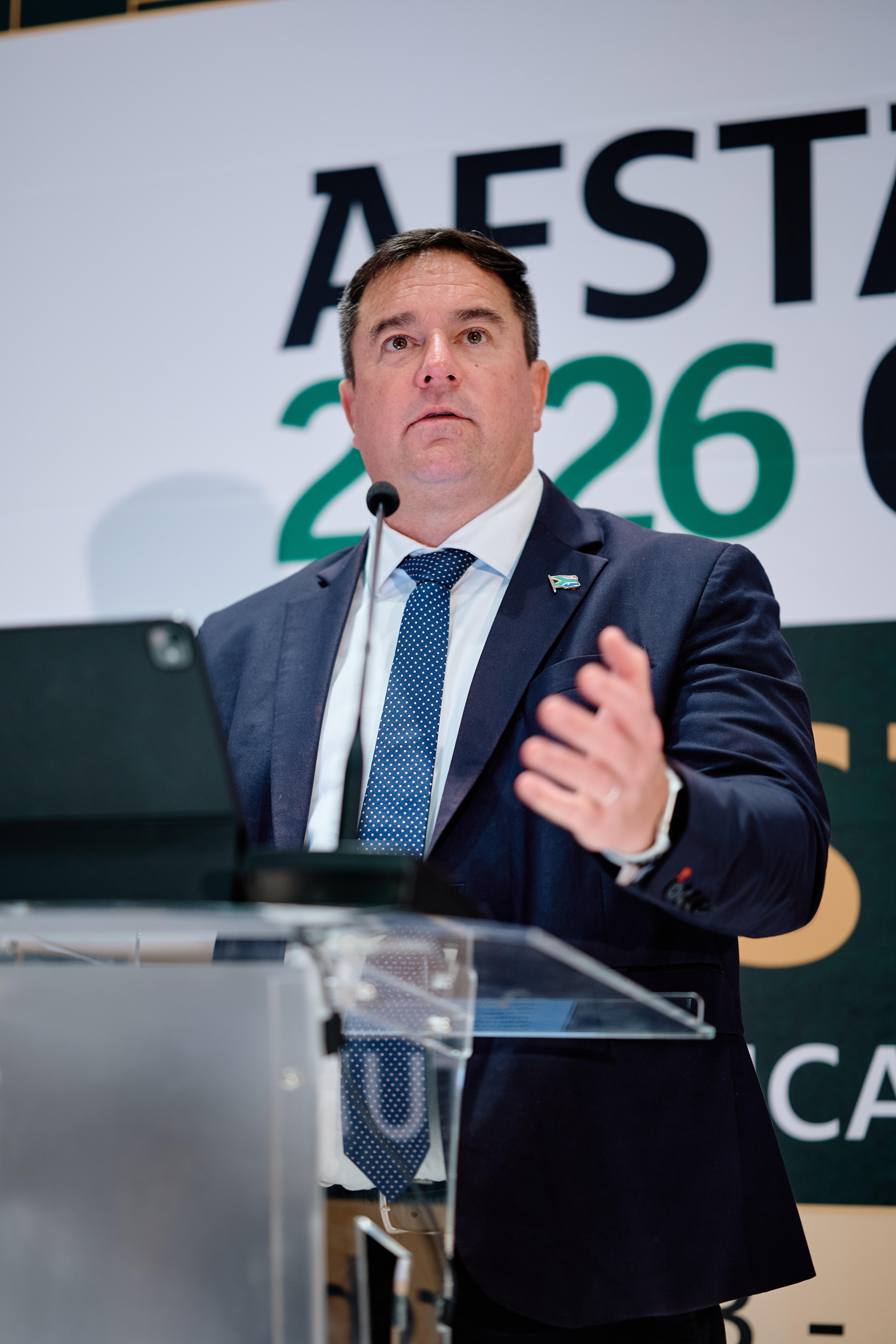 H.E John Steenhuisen
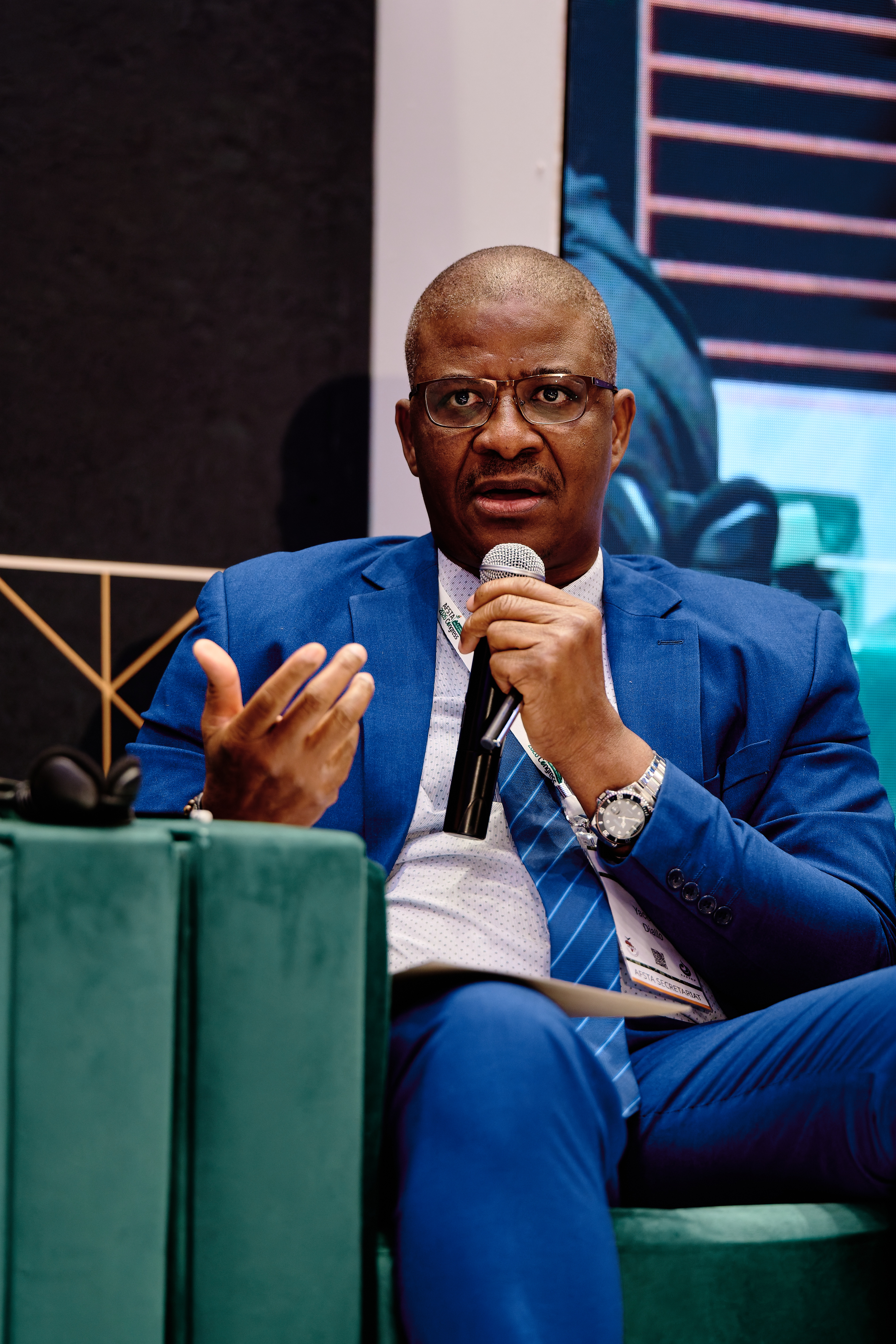 Dr Yacouba Diallo
The African Seed Trade Association (AfSTA) Congress 2026, held in Cape Town, South Africa, marked a historic milestone for Africa’s seed sector, bringing together industry leaders, policymakers, researchers, and private sector stakeholders from across the globe.
With over 500 delegates from 46 countries, including strong representation from across the African continent, this year’s Congress set a new participation record, underscoring the growing importance and influence of AfSTA as the unified voice of Africa’s seed industry.
Held fifteen years after the last Congress in South Africa, the 2026 edition reflected both the remarkable journey and the evolving future of AfSTA. Since its founding in 2000, AfSTA has played a central role in advancing Africa’s seed systems, promoting private sector development, strengthening regional integration, and advocating for policies that ensure farmers have access to quality seeds.
During the keynote address, H.E John Steenhuisen, Minister for Agriculture in South Africa, underscored how quickly Africa’s agricultural sector is evolving. While persistent challenges such as climate change, rapid population growth, and ongoing food insecurity continue to shape the landscape, the sector is simultaneously being redefined by emerging opportunities.
Advances in innovation, the rise of digital technologies, and the expansion of regional and global markets are opening new pathways for growth and resilience across the continent.
AfSTA Congress 2026, Cape Town: Key Insights
A key highlight of the AfSTA 2026 Congress in Cape Town was AfSTA’s ongoing institutional transformation. Guided by its strategic plan, the organisation is focusing on:
- Facilitating market access and seed trade
- Strengthening operational and financial sustainability
- Building strategic partnerships
- Rebranding to reflect future trends
Recent governance reforms, including updated constitutional frameworks and strengthened leadership structures, demonstrate AfSTA’s commitment to transparency, efficiency, and long-term impact.
Expanding Influence and Partnerships
AfSTA Secretary General Dr Yacouba Diallo noted that the association continues to grow its footprint, welcoming new members and strengthening collaborations across Africa and globally.
With a membership base now exceeding 120 organisations, the Association represents a diverse and dynamic network of seed companies and national trade associations.
The Congress also showcased AfSTA’s strong engagement in policy dialogue, working closely with governments, regional economic communities, and continental bodies to create an enabling environment for seed trade across borders.
Strategic partnerships with international organisations and research institutions are further driving innovation, facilitating technology transfer, and unlocking new opportunities for investment and growth.
Over the past year, AfSTA has made significant strides in promoting seed quality and innovation. Through training programmes, webinars, and collaborative initiatives, hundreds of industry professionals have been engaged across the continent. Notably, efforts in plant breeding and biotechnology have led to the transfer of more than 100 improved, climate-resilient seed varieties to members, strengthening agricultural productivity and resilience across multiple countries.
This vision emphasises:
- Building an integrated African seed market
- Strengthening private sector innovation
- Enhancing collaboration across research, policy, and industry
AfSTA continues to evolve and is committed to leading the transformation of Africa’s seed industry and economic growth across the continent.
AfSTA Leadership: Meet Our New Board Members
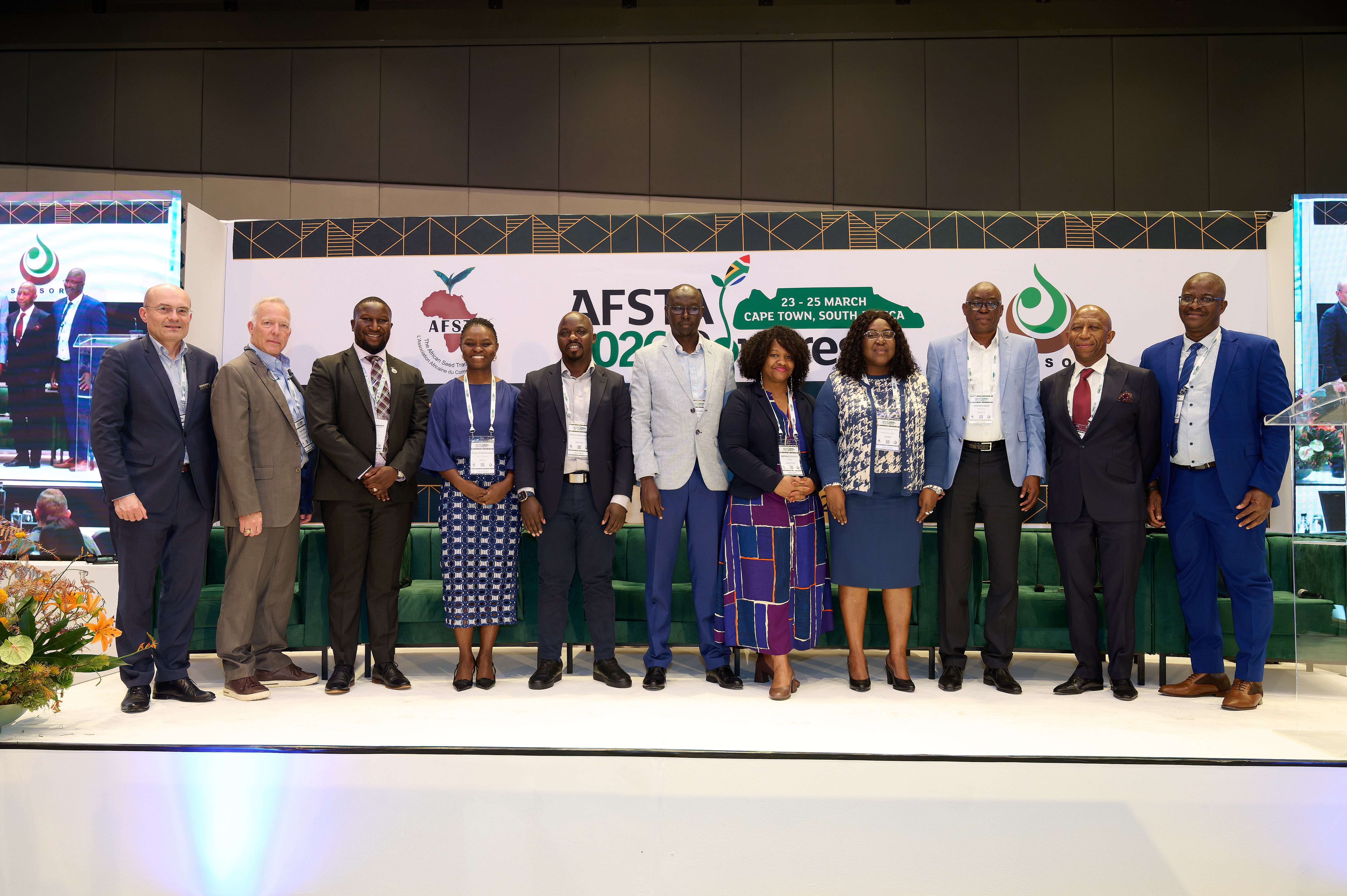 AfSTA Board Members
Nine members: Clive Mugadza (President) , Sylvia Horemans (Vice President),Nadine Dushimiyimana (Member),Innocent Namuhoranye (Member), David Tum (Member), Matome Ramokgopa (Member), Nathalie Issorat (Member), Nicolas Perrin (Member), and Charles Miller (Member), were elected to the Board at the AfSTA Annual General Meeting (AGM) held in March 2026 in Cape Town, South Africa, marking a key milestone in strengthening the Association’s leadership and governance.
To further enhance the Board’s expertise and regional representation, additional members (Lynette Ngila, Narcis Tumushabe and Mohamed Saidi) will be co-opted by the newly elected Board and will serve alongside the elected Board until the next AGM, scheduled for March 2027 in Nairobi, Kenya.
New in the Board:
1. Matome Ramokgopa
Matome Ramokgopa is the Regional Sales Director for Sub-Saharan Africa and Managing Director for South Africa at Enza Zaden, also serving as Chairperson of the South African National Seed Organisation (SANSOR), a role he has held since 2021. With extensive leadership experience in the seed industry, specialising in high-value vegetable seeds, fresh produce, and processing within multinational environments, Matome brings a strong focus on collaboration, negotiation, market development, and strategic partnerships to the AfSTA Board.
2. Nadine Dushimiyimana
Nadine is a regulatory affairs and policy expert with over a decade of leadership across African and European seed systems. Nadine is currently the Head of Regulatory Science and Biotechnology in Africa at Bayer, focusing on strengthening agricultural resilience through science-based solutions. Nadine brings a unique blend of global regulatory expertise, African market understanding, and deep seed-sector experience aligned with AfSTA’s 2025–2027 strategic priorities.
3. David Tum
David Tum is the current General Manager at Simlaw Seeds, having previously served in a similar capacity at Kibo Seeds in Tanzania. Tum has also served as a Director at Kenya Seed Company and as Vice Chairperson of the Seed Trade Association of Kenya (STAK). He continues to contribute to the industry as a Board Member of STAK. David brings over 20 years of experience in business administration, leadership within the seed industry, deep industry insight and a strong commitment to advancing agricultural development.
Overall, The African Seed Trade Association (AfSTA) Board brings together experienced leaders from across Africa & beyond, representing the diversity & strength of the continent’s seed sector.
Clive Mugadza is the new AfSTA President
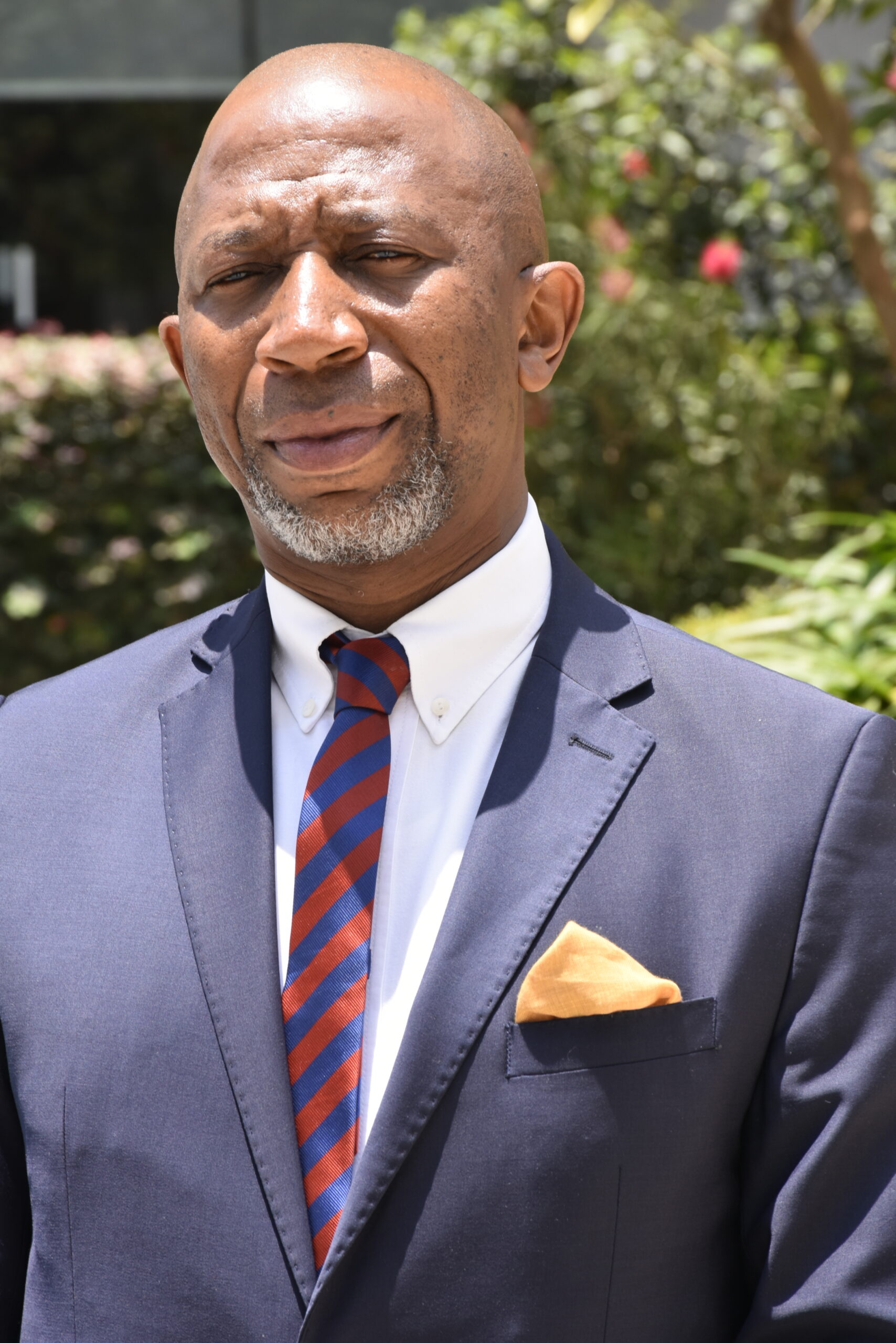 Clive Mugadza
Effective March 2026, Clive Mugadza officially begins his two-year term as President of the African Seed Trade Association (AfSTA). Clive, who currently serves as Group Operations Director for Seed Co Group Africa, succeeds Amadou Sarr, who led the Association since 2024.
This interview highlights Clive’s vision for AfSTA as he steps into leadership, the key challenges facing the seed sector, and his broader outlook for advancing Africa’s seed industry.
I. As you prepare to take on the presidency of AfSTA, what vision do you have for the organization and its role in shaping Africa's agricultural future?
My vision is to help build a transformed African seed ecosystem in which farmers have timely access to high-quality improved seed. I see that future being supported by a more harmonized and competitive environment across both the public and private sectors. To get there, AfSTA must strengthen its secretariat so it can more effectively drive policy harmonization, empower national associations, accelerate innovation adoption and improve market access across the continent. I would also like to see AfSTA continue growing as the main umbrella body in the seed industry by bringing more national associations into the fold and helping develop them into stronger institutions in their own countries.
II. What do you see as the most urgent challenges currently facing Africa's seed sector?
The first is policy and regulatory fragmentation. We talk about harmonization, but in practice the frameworks and their application remain uneven across countries. Beyond that, there are supply chain and product inefficiencies, especially because many production centres still depend heavily on rainfed systems. There is also a weak market and demand structure in many places, limited adoption of improved seed and technology, and the reality that many farmers at the bottom of the pyramid are operating under serious financial constraints. In many communities, farming is still largely subsistence-based, and that affects the speed of transformation.
III. Some farmers feel quality seed is becoming a luxury. How do you respond to that concern?
I always make the point that when you look at the full production value chain, the cost of seed is a relatively small component. Yet it is often highlighted as if it is the biggest cost driver. What is needed is better communication and even financial modelling of the value chain so that farming communities can more clearly see the value of genetics and the gains that improved seed can deliver. When that broader picture is understood, it becomes easier to see that the returns from quality seed can far outweigh the perceived price burden.
IV. How can the seed industry improve access to quality seed for smallholder farmers across Africa, especially at scale?
We need system transformation. The first lever is regulatory harmonization, because that helps seed move more efficiently from one country to another where agreed standards are already in place. We also need stronger market systems, because illicit seed trade and counterfeit products continue to erode farmer confidence and cause real economic loss. Farmers are using hard-earned resources to buy what they believe is genuine seed, only to discover that it is not true to type. That is why stronger deterrent measures matter. At the same time, we need to strengthen national seed traders' associations, so the collective voice of seed firms is heard more clearly in each market, increase private sector participation, and continue driving the adoption of improved technologies through government support and broader stakeholder alignment.
V. Some critics say the seed industry can feel overly revenue driven. How should the sector ensure the farmer remains at the centre?
It is shortsighted for any actor in the seed industry to sideline the farmer. You can only make money if there is real acceptance and adoption of your varieties, and that demand comes from the people at the base of the market. The companies that stay close to farmer pain points and breed material that truly responds to those realities are the ones that will become long-term market leaders. The farmer is the customer, and the customer must remain king. That means taking an outside-in perspective rather than starting with the company and then trying to push solutions outward. The relationship also cannot end at the point of sale. If the product experience does not build continuity and confidence, the farmer will move on.
VI. What role can AfSTA play in strengthening regional seed trade and advancing regulatory harmonization across the continent?
AfSTA must work through national seed associations, because they are a critical lever in this process. Seed is, by nature, a sovereign product, and governments tend to listen most closely to their own domestic stakeholders. National associations are indigenous to their countries. They have access to policymakers, constituencies and other key actors, and they are therefore best placed to influence acceptance and implementation. AfSTA's role is to support and strengthen those associations so that harmonization is not only discussed at a continental level but also advanced in practical terms by actors within each country.
VII. From your experience at Seed Co, what have you learned about the realities of delivering quality seed across diverse African markets?
One of the biggest realities is how much unaligned seed laws and slow regulatory systems can hold the sector back. Cross-border movement is often delayed by country-specific policies, prolonged varietal release procedures and certification processes that are not applied consistently across markets. In some places, enforcement is also weak, which opens the door to counterfeit and low-quality seed. Delays at borders can even compromise quality. These are not abstract policy issues; they are real operational barriers that affect companies, market efficiency and, ultimately, farmer outcomes.
VIII. How has your role at Seed Co shaped the way you think about AfSTA's priorities and the wider needs of Africa's seed sector?
My experience has reinforced the importance of collaboration and partnership. AfSTA needs deeper engagement with national associations, private sector actors, crop care partners, non-governmental organisations and development partners working to promote sustainable agriculture. It has also taught me that growth depends on the ability to resource strategy properly. Operational and financial sustainability matter. If AfSTA is to strengthen its institutional capacity, mobilise knowledge and implement its plans effectively, it must have the resources to do so. Commercial experience has also shown me how important brand equity and stakeholder trust are. A strong AfSTA brand is not cosmetic; it is part of building confidence, acceptance and stronger relationships across markets.
IX. At the end of your term, what outcomes would you want stakeholders to say AfSTA successfully delivered?
First, I would want AfSTA's recognition to be solidified across geographies so that no meaningful conversation about Africa's seed industry happens without AfSTA being part of it. Second, I would want AfSTA to be seen as the first port of call for anyone seeking to engage in the seed arena, whether they are looking for market insight, information or a credible entry point into African farmer markets. Third, I would want AfSTA to be known as a central knowledge hub for training, crop research and information. That is the AfSTA I would like to help build: influential, useful and trusted.
X. What would make the AfSTA Congress truly impactful?
People should see the Congress as more than an event. It should be a place to network, share experiences, acquire knowledge and see innovation from across markets. That is how the Congress becomes a real industry platform. For that to happen consistently, AfSTA's brand must continue to strengthen so that people are drawn to it because they know there is value in showing up. I also believe the association must keep looking outward, learning from national associations across countries, understanding their successes and challenges, and using those lessons to foster practical solutions.
XI. Is there a moment in your career that strongly shaped how you lead today?
Yes. Early in my career, I had the opportunity to work with Japanese colleagues in the automotive industry, and that experience shaped me profoundly. One of the key lessons I took from it was the philosophy of Kaizen, the idea of continuous improvement. It taught me to keep asking how processes can be improved and why steady progress matters. It also taught me the value of hard work and the importance of purpose. I am not intimidated by hard work, and I am not intimidated by investing for growth. Those lessons have stayed with me to this day.
XII. 2026 has been designated the International Year of the Woman Farmer. What should that moment mean for Africa's seed sector?
It should be a moment for greater awareness, but also for deliberate action. Women play essential roles across agri-food systems, from production to household food security, yet those contributions are often under-recognised. The seed sector has a responsibility to keep driving awareness, promoting action and addressing the gaps that affect women's livelihoods. If we are serious about transformation in agriculture, then we must also be serious about how women are supported and included within that progress.
AfSTA Rebrand: A Bold Step Forward with a New Logo and Website
In an era defined by rapid digital transformation and evolving audience expectations, staying relevant requires more than just consistency. It demands reinvention. AfSTA has embraced this philosophy with a fresh rebrand, following the unveiling of a new logo and a completely redesigned website in Cape Town, South Africa, during the AfSTA 2026 Congress opening ceremony in a speech by the Secretary General, Dr Yacouba Diallo. For AfSTA, this is a signal of a confident step into the future.
A Logo That Reflects Growth and Identity
The new AfSTA logo is more than a visual update; it represents a refined identity. Sleeker lines, modern typography, and a carefully chosen colour palette combine to create a mark that is both contemporary and meaningful. The design reflects AfSTA’s core mission and vision.
By simplifying and modernising the logo, AfSTA ensures it remains versatile across digital and print platforms, enhancing recognition and strengthening its brand presence.
A Website Built for the Modern User
Alongside the new logo, AfSTA has launched a redesigned website focused on member experience, accessibility, and functionality.
The updated platform offers:
- A membership portal: This feature will facilitate data, registration, and renewal of membership.
- Intuitive Navigation: Visitors can easily find information with a cleaner, more structured layout.
- Responsive Design: Optimised for all devices, ensuring seamless browsing on mobile, tablet, and desktop.
- Enhanced Content Delivery: Clearer messaging and improved visuals help communicate AfSTA’s mission and services effectively.
- Faster Performance: Streamlined design and improved backend systems provide quicker load times and smoother interactions.
The new website is not just an upgrade; it is a transformation into a dynamic hub that better serves AfSTA members.
Why the Rebrand Matters
For AfSTA, this change represents growth, adaptability, and a renewed commitment to its stakeholders. It positions the organisation to better connect with its audience, expand its reach, and remain competitive in a fast-changing landscape.
With its new logo and website, AfSTA is clearly focused on the future. The rebrand sets the tone for continued innovation and stronger engagement, ensuring the organisation is well-equipped to meet the challenges and opportunities ahead.